You may be wondering what is the Camino de Santiago. The Camino Santiago, also known as the Way of St. James, is one of the most iconic pilgrimage routes in the world. Rooted in centuries of spiritual devotion, cultural exchange, and personal transformation, the Camino Santiago is more than just a physical journey—it is an experience that weaves together history, religion, nature, and the profound human desire for meaning. If you’ve ever wondered what the Camino Santiago truly is, how it began, and why thousands of people embark on this journey each year, this comprehensive guide will provide the answers
The Historical Origins of the Camino Santiago
Understanding what the Camino Santiago is begins with its origins. The pilgrimage traces back to the 9th century when the remains of Saint James the Greater, one of Jesus Christ’s apostles, were believed to be discovered in the region now known as Santiago de Compostela in Galicia, Spain. The discovery of the apostle’s tomb transformed the area into a sacred site for Christian pilgrims across medieval Europe.
As centuries passed, this spiritual route grew in popularity, becoming one of the three most important Christian pilgrimages, alongside those to Jerusalem and Rome. The route was not only a testament to faith but also a corridor for cultural and intellectual exchange during the Middle Ages.
What is the purpose of The Camino de santiago?
The purpose of the Camino de Santiago is deeply personal and multifaceted. Traditionally, it served as a religious pilgrimage, allowing Christians to demonstrate their devotion, seek penance, or fulfill a vow by journeying to the shrine of Saint James in Santiago de Compostela. Over time, the Camino has evolved beyond its religious roots to embrace a broader range of motivations. Today, people walk the Camino for spiritual reflection, healing, personal challenge, cultural exploration, or simply the desire to disconnect from the noise of everyday life. Regardless of individual intentions, the core purpose of the Camino remains the same: to provide a meaningful journey of introspection, connection, and transformation through the act of walking.
The Routes Of the Camino de Santiago
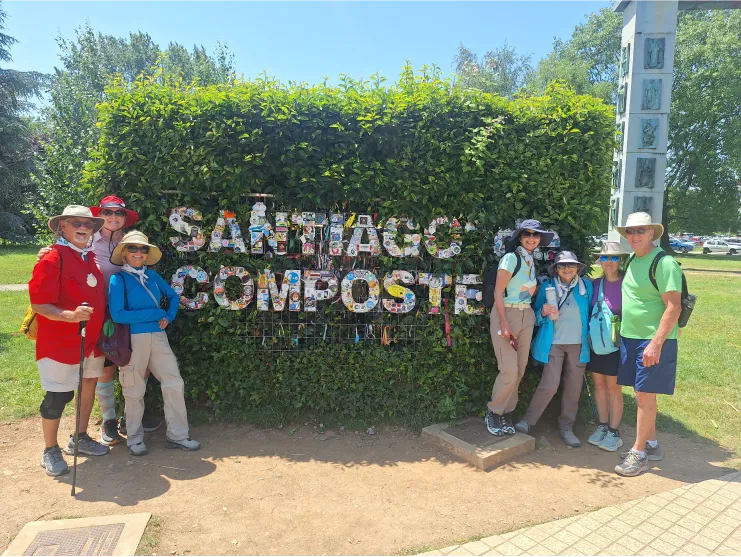
A key part of understanding what the Camino Santiago is lies in its network of routes. There is not just one Camino, but several major pilgrimage paths that all converge at the cathedral in Santiago de Compostela. The most popular is the Camino Francés, which begins in Saint-Jean-Pied-de-Port, a small town in the French Pyrenees, and stretches nearly 800 kilometers across northern Spain.
Other notable routes include the Camino Portugués, which starts in Lisbon or Porto and travels through Portugal before entering Spain. The Camino del Norte traces the northern coast of Spain and is known for its stunning sea views and challenging terrain. The Via de la Plata originates in Seville and travels through the less-populated western interior.
Each route offers a different landscape, historical background, and cultural experience. Yet all lead to the same final destination: the shrine of Saint James in the cathedral of Santiago de Compostela.
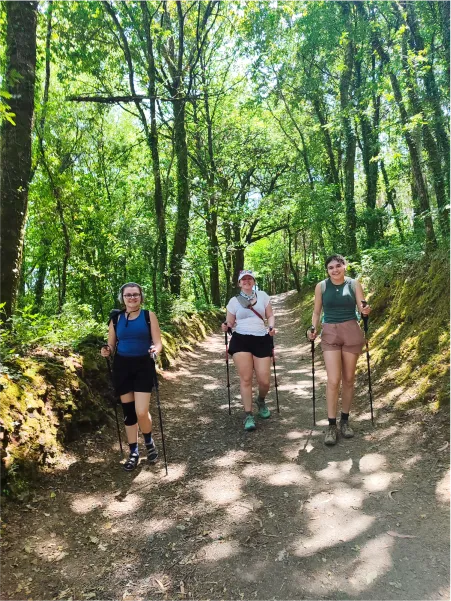
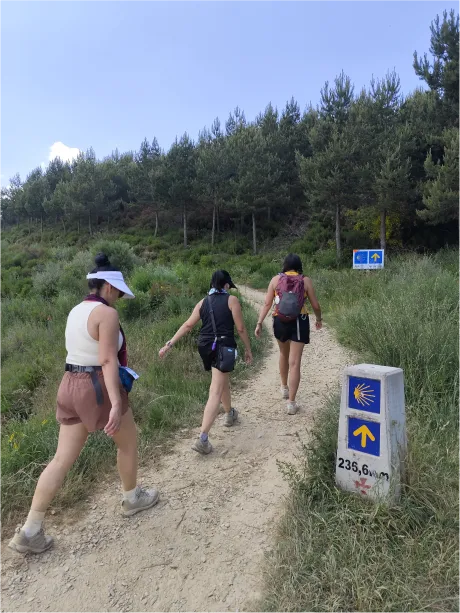
What to Expect on the Camino Santiago
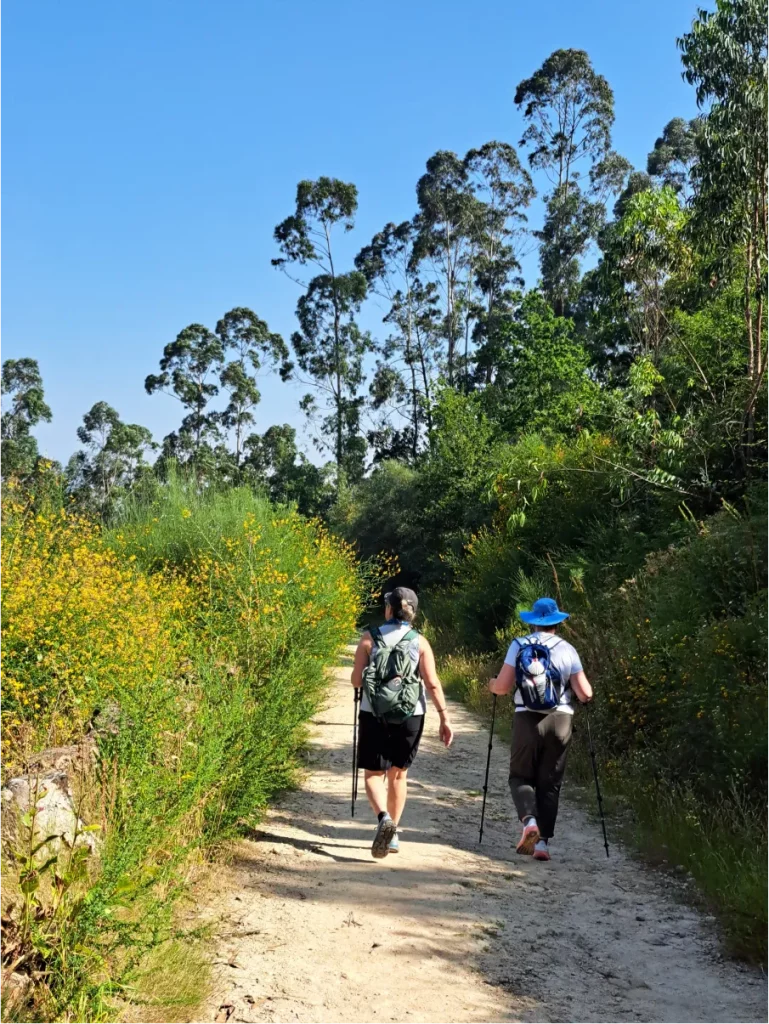
Walking the Camino Santiago is not just a matter of reaching a destination. The journey itself is filled with encounters and moments that shape the experience.
Pilgrims traditionally stay in albergues—simple hostels or guesthouses—scattered along the route. Meals are often shared with fellow walkers, leading to friendships that cross borders and languages.
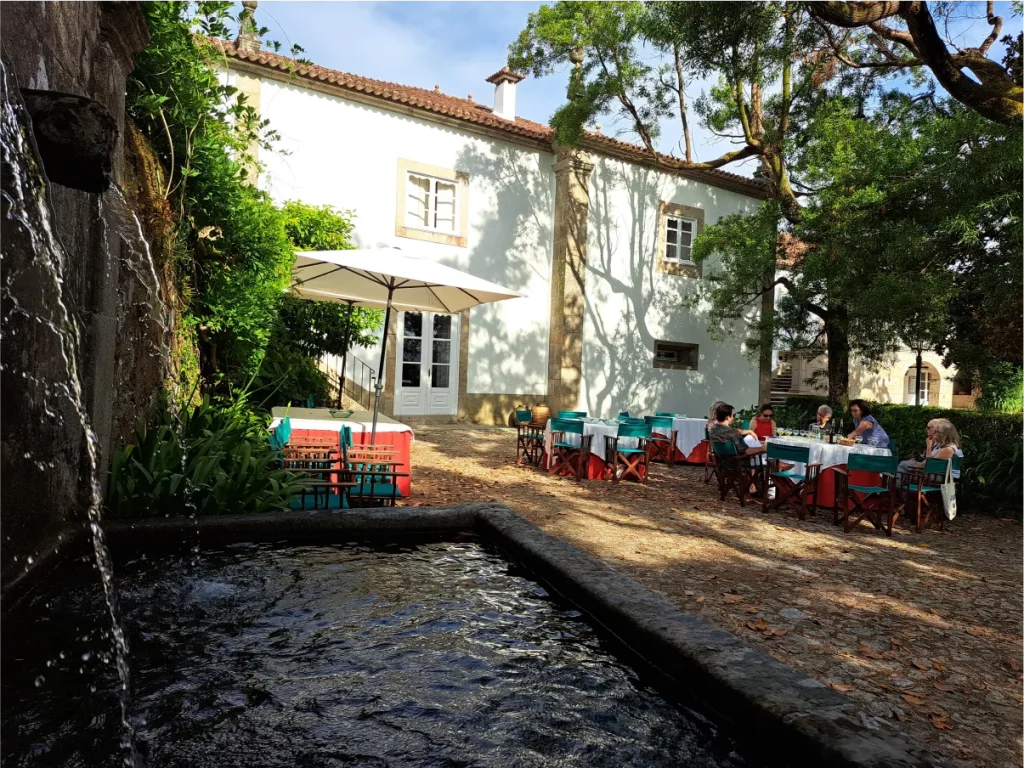
However, for those looking for added comfort and a more curated experience, traveling with a specialized tour operator like Fresco Tours offers an excellent alternative. Fresco Tours provides guided and self-guided Camino trips where accommodations are carefully selected small hotels, charming inns, and family-run establishments that offer more privacy and comfort than standard albergues.
Daily life on the Camino is marked by early starts, long hours of walking, and time for contemplation. Pilgrims carry a credencial, or pilgrim passport, which is stamped at various points along the route to verify their journey. Upon arrival in Santiago, those who have walked at least 100 kilometers or cycled 200 kilometers can receive the Compostela, a certificate of completion.
How long does it take to walk the Camino de Santiago
The time it takes to walk the Camino de Santiago depends on the route chosen, the starting point, and the walker’s pace. For most pilgrims walking the Camino Francés, the most popular and well-established route, the journey typically takes 30 to 35 days. This route is approximately 780 kilometers (about 485 miles) long, starting from Saint-Jean-Pied-de-Port in France and ending at Santiago de Compostela in Spain.
For those with less time, starting closer to Santiago is common. For example:
- From Sarria, the minimum distance required to earn the Compostela certificate (about 100 km) usually takes 5 to 7 days.
- The Camino Portugués from Porto takes around 10 to 14 days.
- The Camino del Norte or Via de la Plata, being longer and more demanding, can take five to seven weeks.
Daily walking distances average between 20 to 25 kilometers per day, although some pilgrims walk more or less depending on their fitness level, weather, and rest days.
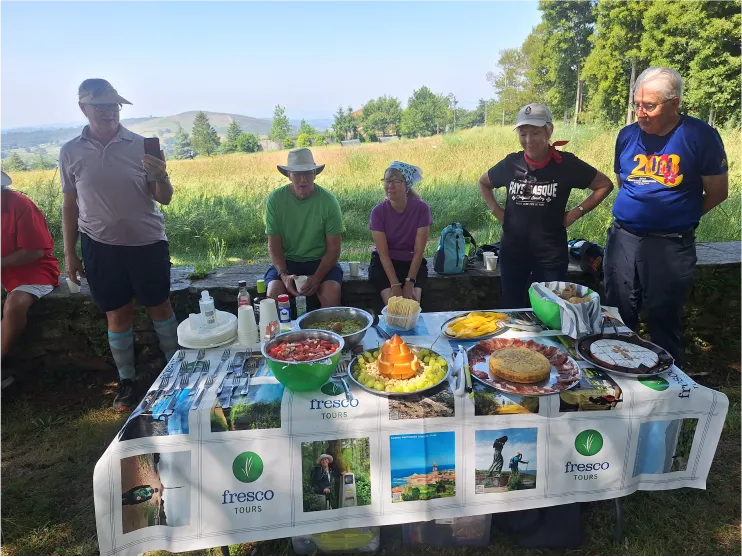
If you prefer to enjoy the Camino without worrying about logistics, Fresco Tours offers both guided and self-guided options that adapt to your time and pace. With carefully crafted itineraries, luggage transfer, local guides, and charming accommodations included, Fresco Tours allows you to focus on walking and immersing yourself in the experience—whether you have one week or a full month to complete your journey.
Challenges and Rewards of the Camino
The Camino Santiago is not a luxurious vacation. It demands physical stamina, mental resilience, and emotional openness. Blisters, sore muscles, unpredictable weather, and long stretches of solitude are all part of the experience.
But these challenges often become the most rewarding aspects of the journey. Many pilgrims describe a sense of rebirth or revelation upon completing the walk. Some find answers to long-held questions; others discover a newfound strength or peace within themselves.
The Camino teaches patience, humility, and gratitude. It encourages presence in the moment and appreciation for the simple aspects of life—warm meals, kind words, the beauty of a sunrise over the hills.
Preparing for the Journey
Although spontaneous travel is possible, most pilgrims prepare extensively before starting the Camino Santiago. This preparation includes physical training, especially for those unaccustomed to long-distance walking, as well as researching accommodations and route options.
Equally important is the mental and emotional preparation. The Camino is not just about covering distance; it’s about being present and open to whatever arises. Packing light, letting go of distractions, and setting clear intentions help in making the most of the journey.