Walking the Camino de Santiago is a transformative journey that countless pilgrims embark on each year. Whether you’re taking your first steps toward the Camino Francés, the Camino Portugués, or another route, preparing yourself physically and mentally is vital. At Fresco Tours, we’ve spent years guiding pilgrims on this timeless path, and in this detailed blog entry, we share everything you need to know about how to train for the Camino de Santiago. With the right preparation, you’ll not only complete your pilgrimage but enjoy every step of the way.
Understanding the Demands of the Camino de Santiago
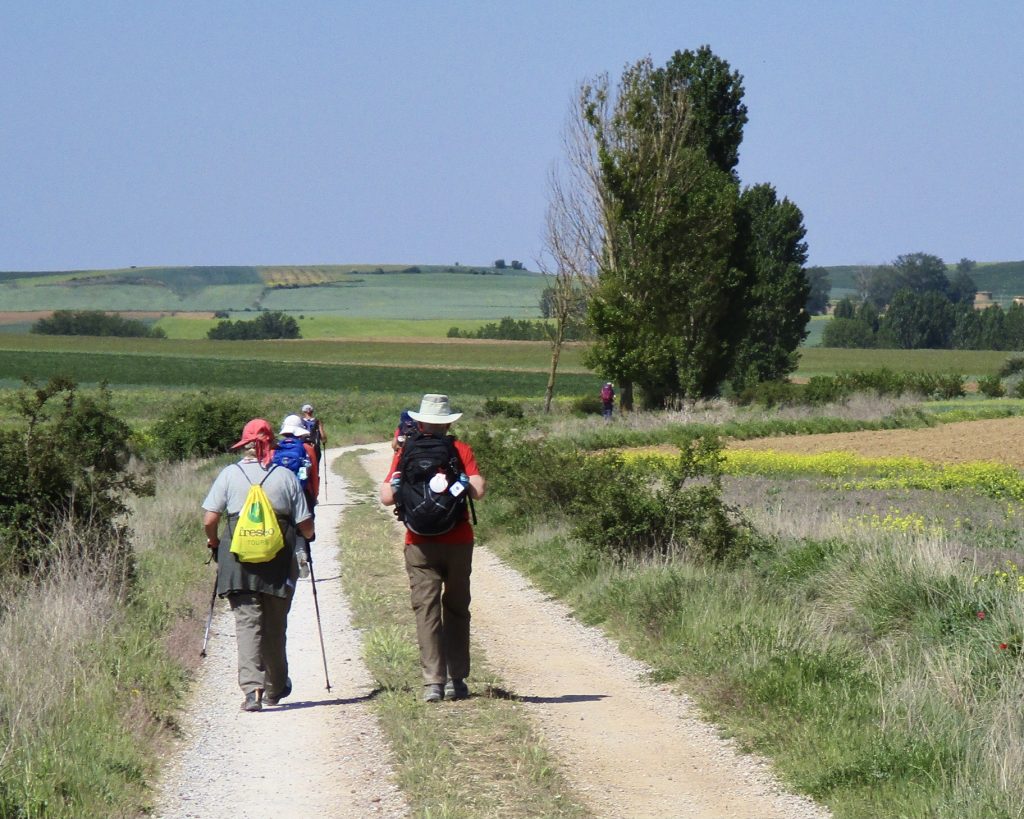
Before beginning your training, it is essential to understand what the Camino will ask of you. Each route differs in distance, elevation, terrain, and weather. Some routes are longer and flatter, while others are shorter but more mountainous. Regardless of the route, the common thread is daily walking, and for several hours at a time.
Thus, the physical challenge is cumulative. Day after day of walking can be strenuous if you are not adequately prepared. Muscles need conditioning, and your body must adjust to being in motion for extended periods. Just as important is preparing yourself mentally. Training helps condition your mind for the persistence that the Camino often requires.
Building a Training Schedule that Works for You
Consistency is the cornerstone of effective training. To walk the Camino, you need endurance more than speed. This means your training plan should focus on regular walking sessions that gradually increase in duration and difficulty.
Begin by assessing your current fitness level. If you are already active and walk regularly, you may be ready to move onto longer walks sooner. If not, start slowly. Aim to walk a few times a week and gradually increase both the frequency and distance. Ideally, you want to be comfortable walking for at least a couple hours at a time before your departure date.
Your training should span at least three months before your Camino begins, with progressive goals each week. By the end of your training, you should be walking several days a week and be able to walk a distance that mimics the stages you’ll face on the Camino. These longer walks are critical to conditioning your muscles, testing your gear, and understanding how your body responds to fatigue.
Simulating Camino Terrain in Your Training
The Camino de Santiago is not a walk in the park—literally. You will encounter cobblestones, gravel paths, steep hills, forest trails, and urban areas. When possible, it is important to try to practice on this variety during your training. Ideally you will have access to walks with hills and uneven trails. Even practice walking on hard surfaces, such as pavement, and rocky paths. As we mentioned previously, the Camino offers a wide spectrum of walking paths.
Elevation gain is especially important if you are tackling routes that present mountains, such as the beginning of the Camino Francés through the Pyrenees. Incorporate uphill and downhill segments into your walks. If you do not have access to hills, using a treadmill with incline settings or a stairway can help simulate similar challenges. Don’t be discouraged if you don’t have access to any of the above, at Fresco Tours there will always be a support option for stages that prove to be too challenging!
This type of training builds your stabilizing muscles and strengthens your joints, making you more resilient to the demands of the pilgrimage.
Walking with the Gear You Will Use on the Camino
Training is the time to test everything. Your shoes, socks, clothing, and walking sticks must all be comfortable and functional. It is crucial that you train with what you believe you may need in your daypack (ie. poncho and water) so that your body adjusts to the weight you will carry. Remember, even if you are walking on a self-guided Fresco Tours’ tour, you will not have to train with a backpack! We take care of your heavy luggage.
Shoes are arguably the most critical piece of gear. Choose footwear that is already broken in and suited for long-distance walking. Whether you prefer hiking boots or trail runners, wear them throughout your training to avoid blisters or discomfort later.
Developing Mental Endurance for the Journey
The Camino is as much a mental journey as it is a physical one. Many pilgrims report moments of doubt, fatigue, and emotional vulnerability. Training offers an opportunity to build the mental stamina you’ll need on the trail.
When training walks feel long or difficult, use the time to practice staying present. Focus on your breathing, your surroundings, and your intention for doing the Camino. Some pilgrims find inspiration in walking meditations or setting a personal mantra.
Mental endurance is also built through problem-solving. Training walks are a chance to experience discomfort and learn how to respond—whether it’s dealing with unexpected weather, a sore foot, or getting lost. The more you overcome during training, the more confident you’ll feel on the Camino.
Remember, we have discovered after 20 years that once on the Camino, every day you become a bit stronger, physically and mentally.
Incorporating Strength and Flexibility into Your Preparation
While walking is your primary training activity, complementing your regimen with strength and flexibility exercises offers enormous benefits. Strong muscles support your joints, reduce fatigue, and prevent injuries.
Focus on strengthening your legs, core, and upper body. Simple bodyweight exercises such as squats, lunges, planks, and push-ups can be highly effective. Aim to train these muscle groups two to three times per week.
Flexibility is equally important. Tight muscles can lead to imbalance and pain, especially over long distances. Stretch daily, especially your hamstrings, calves, hips, and lower back. Yoga is an excellent complement to walking training, as it improves balance, posture, and mental focus.
Preparing for the Unexpected: Weather, Illness, and Fatigue
Camino routes can surprise you with unexpected rain, warm days, or chilly mornings. Train in a variety of weather conditions so you’re not caught off guard. Learn how your body responds to heat and cold, and how to adjust your clothing and hydration accordingly.
Fatigue and minor ailments are common. Listen to your body during training. Rest when needed and incorporate recovery days into your weekly schedule. Understand how to care for blisters, treat muscle soreness, and maintain hydration and nutrition.
Training is also the time to try energy snacks, electrolyte supplements, and meal timing strategies to see what works for you. This helps ensure that on the Camino, your body is fueled and performing well.
Building a Support Network and Accountability
Walking the Camino is a personal journey, but that doesn’t mean you must train alone. Join walking groups, connect with online Camino communities, or recruit a friend to join you in your training.
Having a support network makes training more enjoyable and keeps you accountable. Sharing experiences, goals, and struggles with others creates a sense of camaraderie that mirrors the communal spirit of the Camino itself.
Even if you plan to walk solo, the practice of walking with others can simulate the social dynamic of the Camino, where conversations with fellow pilgrims are a treasured part of the experience.
Reflecting on Your Intention and Staying Motivated
Your reason for walking the Camino is unique and deeply personal. Keep that intention at the forefront of your training. Whether it’s spiritual growth, healing, adventure, or challenge, remind yourself often why you are doing this.
During training, take time to reflect on your journey ahead; perhaps write in a journal, take photos, or simply pause during your walks to appreciate the process. This builds anticipation and strengthens your emotional connection to the pilgrimage.
Motivation can waver over the course of your training, especially on tough days. Celebrate small milestones, reward yourself for consistency, and visualize yourself reaching Santiago de Compostela. These practices help maintain your drive and enthusiasm.
A great resource for all of the above is visiting our social media where we regularly post images of the Camino, share information and answer questions: A picture is worth a thousand words!
Conclusion: Training with Purpose for the Journey of a Lifetime
Preparing for the Camino de Santiago is a journey in itself. At Fresco Tours, we believe that thorough preparation enhances every step of the pilgrimage. By training your body, mind, and spirit, you set the foundation for a safe, meaningful, and unforgettable Camino experience.
Embrace the training process as part of your Camino. Walk with purpose, prepare with intention, and arrive at the trailhead knowing you are ready to begin. Buen Camino!
Related posts: