
For pilgrims walking the Camino de Santiago, the journey is more than a physical path – it is a walk through history, faith, and legend. At the heart of it all stands Saint James the Greater, known in Spain as Santiago. His life, death, and the powerful stories that followed shaped not only Spain, but the very roads pilgrims walk today. This is the story of Saint James in Spain – told for those who travel to Compostela.
Saint James the Apostle: Before the Camino Began
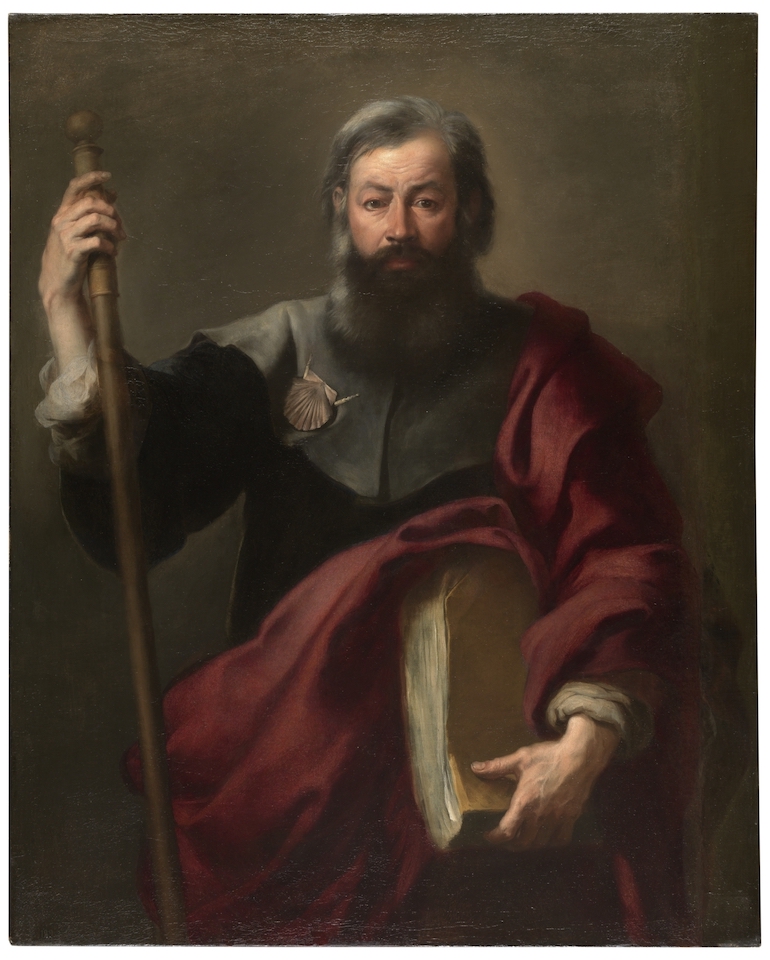
Saint James the Greater was one of the Twelve Apostles of Jesus Christ, the son of Zebedee and the brother of Saint John the Evangelist. A fisherman by trade, James left everything to follow Christ and became part of Jesus’s closest circle. He witnessed defining moments of Christ’s ministry, including the Transfiguration and the Agony in the Garden. His character was passionate and bold – qualities that earned him and his brother the nickname of Boanerges by Christ Himself.
The Mission of Saint James in Spain: His Camino
After Christ’s resurrection and ascension, Christian tradition holds that James traveled west to preach the Gospel in Hispania, the edge of the known Roman world.
James is believed to have lived and preached in Iria Flavia, a town in what is now Galicia, in northwest Spain. Like many pilgrims today, he faced hardship, loneliness, and discouragement. Conversions were few, and his mission seemed unsuccessful. According to the medieval 13th-century manuscript The Golden Legend, Saint James only converted nine people.
Martyrdom in Jerusalem: The Camino Continues
Saint James eventually returned to Jerusalem. Around 44 AD, he became the first apostle to be martyred, executed by order of King Herod Agrippa I. His death appeared to end his mission—but in Spain, it marked a beginning.
The Disciples Who Carried Him Home
Two of Saint James’s disciples, traditionally named Athanasius and Theodore, refused to let their teacher’s mission die with him. According to legend, they placed his body in a stone boat without sail or rudder, trusting God to guide it. The boat miraculously crossed the Mediterranean and Atlantic, landing on the Galician coast at Iria Flavia.
Queen Lupa and the Trial of Faith
Seeking a burial place, the disciples approached Queen Lupa, a powerful pagan ruler, and asked her for help in transporting the remains. Unwilling to assist – and unbeknownst to the disciples – she attempted to destroy them through deception.
The Dragon
Queen Lupa first sent the disciples to a nearby hill where a fearsome dragon lived, expecting them to be killed. Instead, they made the sign of the cross, and the dragon was killed. The Dragon is believed have lived at the top of the Pico Sacro, a hill that overlooks Santiago de Compostela. The hill offers commanding views of the surrounding area, including the city.
The Wild Oxen
After the dragon fiasco, Queen Lupa sent them to retrieve two oxen to transport the body of Saint James. However, these oxen were fierce and untamed, and Queen Lupa believed the animals would trample them to death. Instead, the oxen became calm and obedient, allowing the disciples to harness them.
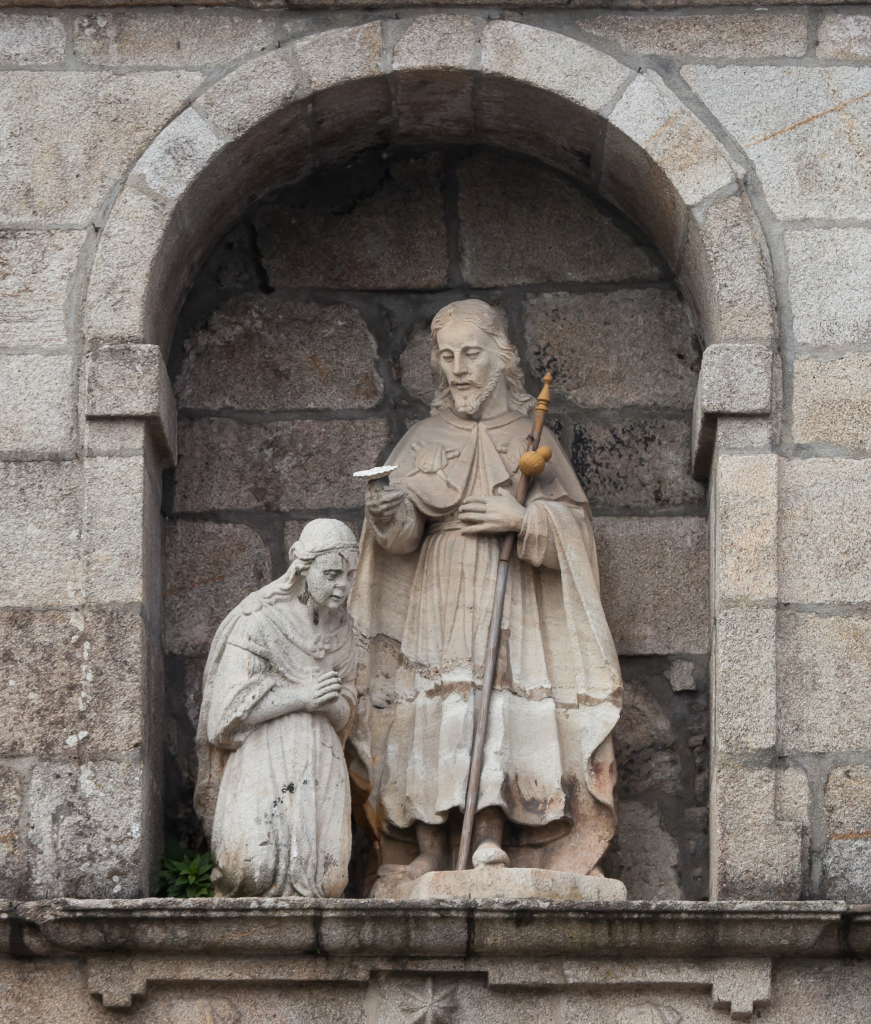
Moved by these miracles, Queen Lupa converted to Christianity and was bapitzed. And the oxen pulled the cart bearing Saint James’s body to its burial site. This part of the story is known as the Translation and it is commemorated every January 30th, which is when the event is believed to have taken place.
The Burial Place: Where the Camino Leads
Saint James was buried in Galicia. Over time, the location was forgotten, lost beneath forest and legend. In the 9th century, a hermit named Pelayo saw mysterious lights – like stars – shining over a field. The tomb was rediscovered and certified by the Pope to be that of Saint James the Greater.
The place became known as Campus Stellae (“Field of Stars”), later Santiago de Compostela.
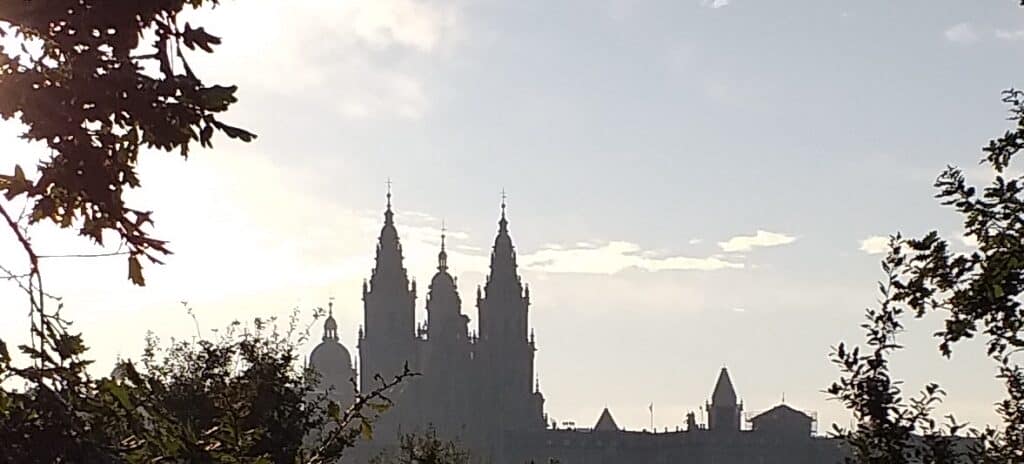
After the first chapel and church were built over the tomb, the great cathedral we now admire was built in the 12th century. Since then, all Camino routes began to lead toward this sacred destination.
For more information about the Story of Saint James and the scallop shell, continue reading here: The Scallop Shell.