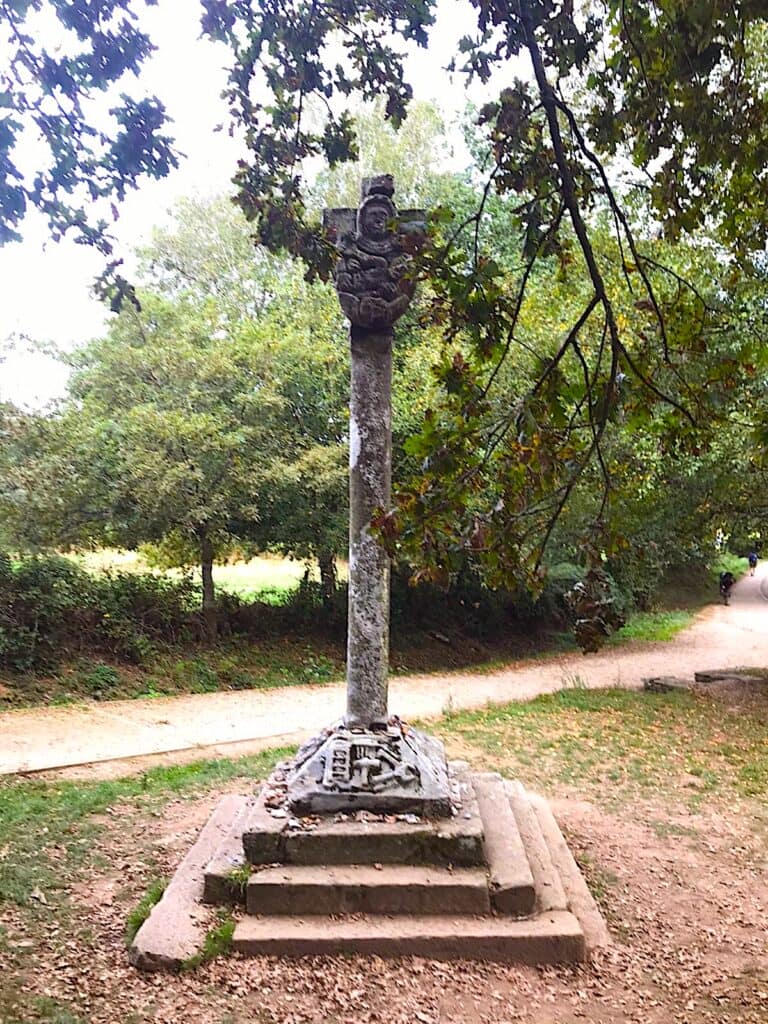
As you continue to follow the trail, you will come across Ligonde, a small village that stands out from the rest because of the ancient granite cruceiro (stone cross) and the hundred-year-old oak tree that greet you before you enter town. The cruceiro dates from 1674, and presents a crucifixion on one side, a pietá (Virgin Mother suffering) on the other side, and image of the instruments used during the passion of Christ on the base. The large oak tree has provided shade for countless pilgrims before us, so find a place to sit and soak it all in! Your hotel is just a couple miles down the road.
After a rewarding walk you come to Palas de Rei. The name of the town translates to “Palace of the King” in English and it is believed to have been named after the royal palace of the Visigoth King Witiza that once stood in the area during the Middle Ages. King Witiza lived sometime around the end of the seventh century, while his death is said to have coincided with the beginning of the Moorish invasion in 711. Witzia was the archetype of the evil ruler, or at least that is what legend and tradition led us to believe. His personal life, filled with mistresses and murder, is said to have mirrored his regency of cruelty and tyranny. However, his kingdom no longer stands, and in its place stands a busy albeit small rural town.
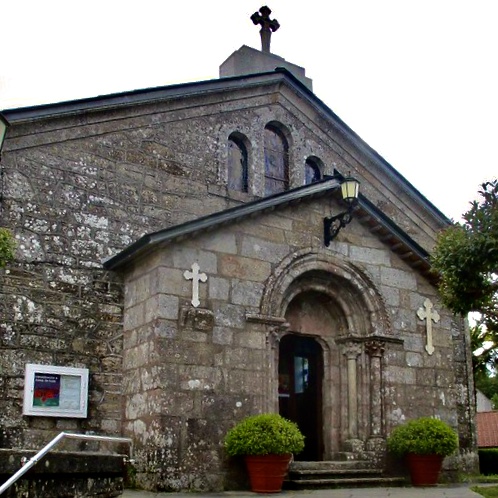
If you are a Catholic, or just want to participate in a spiritual community-like event, the pilgrim’s Mass that is held daily in the evening at the church of San Tirso (the one you will have walked by) is also very nice.
The next day, as you leave town, you will pass by the Campo dos Romeiros (field of pilgrims) mentioned in the Codex Calixtinus. This is where the pilgrims would join forces and start their last stage to Santiago together. Your guess is as good as anyone’s as to where this field was, most likely underneath present day Palas de Rei, although some experts suggest that it was located right where the sculpture of the dancing pilgrims is.