
If you’ve heard of the Basque Country before, chances are it came wrapped in a few fascinating stereotypes: people fiercely proud of their roots, a culture older than almost anywhere else in Europe, and a population rumored to be serious, strong, and exceptionally good in the kitchen. While there’s a grain of truth in these clichés, the reality is far richer, and best discovered firsthand.
Before we dive into the full Basque Country itinerary, here’s a quick overview of what you’ll find in this blog post. Use it as a roadmap to explore the must-see sights, cultural experiences, and practical tips that will make your trip to the Basque Country unforgettable:
- What to See in the Basque Country: Itinerary – A day-by-day guide from Hondarribia to Bilbao.
- Savoring Basque Culture, Food & Txakoli Wine – Local flavors, pintxos, and culinary experiences not to miss.
- Getting Around the Basque Country – Tips for buses, trains, and walking between towns.
- Things to Know Before Visiting the Basque Country – Practical advice and cultural insights to help you travel like a local.
- Walking the Basque Country: The Camino del Norte – Hiking highlights for active travelers.

What to see in the Basque Country
If you want to truly enjoy the Basque Country and experience the charm of this region firsthand, here are the 8 places you can’t miss:
1. Hondarribia
2. Pasaia
3. San Sebastián
4. Orio
5. Guetaria
6. Zumaia
7. Guernica
8. Bilbao
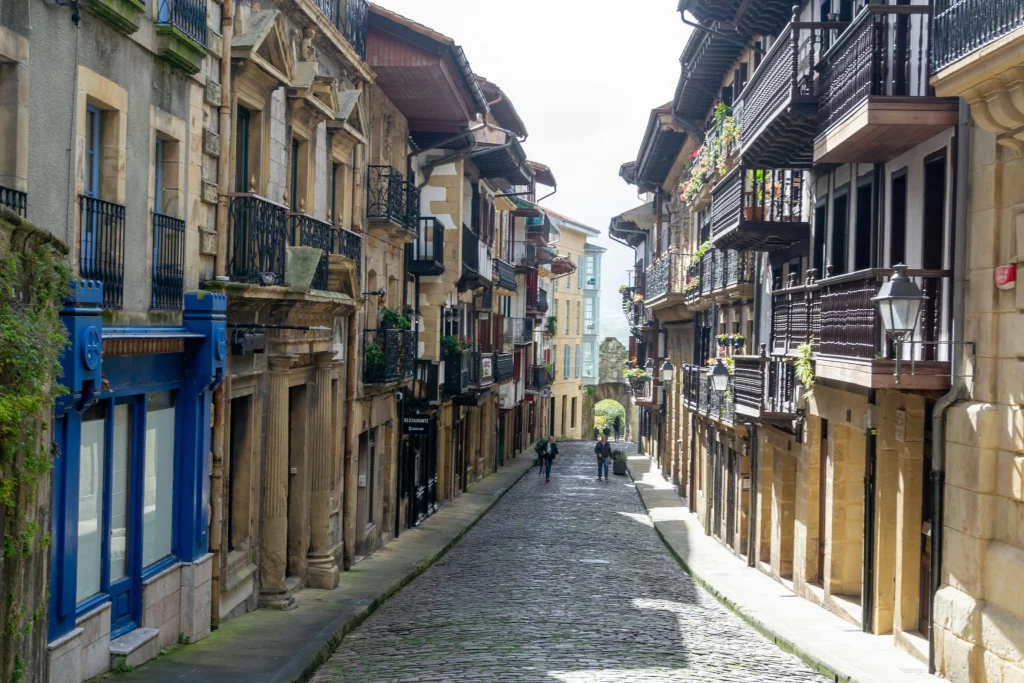
1. Hondarribia: A Walled Coastal Gem
Hondarribia is one of the most beautiful and best-preserved towns in the Basque Country. Located on the Bidasoa River and facing Hendaye in France, it was historically a strategic border town, part of the Kingdom of Navarra until the early 13th century, when it was conquered by Castile.
Today, visitors can explore its city walls, old castle, and well-preserved fortress, while wandering the charming streets and enjoying scenic waterfront views.
Highlights include:
- The walled Old Town, with cobbled streets and medieval charm
- The colorful La Marina neighborhood, lined with pintxo bars and fishermen’s houses
- Panoramic views of France across the Bidasoa River
2. Pasaia: A Picturesque Basque Harbor Town
Pasaia is a charming coastal town near San Sebastián, known for its fjord-like harbor and authentic maritime atmosphere. The town is divided into several neighborhoods, with Pasai Donibane being the most famous for visitors. Here you’ll find narrow, medieval streets, colorful houses, and traditional waterfront taverns.
Pasaia has a long seafaring history, and its port is still active today with fishing boats and small ferries connecting the neighborhoods. It’s a perfect place to stroll along the waterfront, enjoy fresh seafood, and soak up the local Basque coastal culture.
Highlights:
- Pasai Donibane: Medieval streets and harbor views
- Pasai San Pedro: Traditional fishing village charm
- Maritime Museum & boat tours: Learn about the town’s seafaring heritage
It’s a quiet, authentic stop that contrasts with the larger coastal cities, offering a taste of traditional Basque life in a scenic harbor setting.
3. San Sebastián: Beaches, Belle Époque Elegance & Pintxo Paradise
Known as Donostia in Basque (Euskera), San Sebastián is famous for its sweeping La Concha Bay, elegant seaside promenade, and some of the best gastronomy in the world.
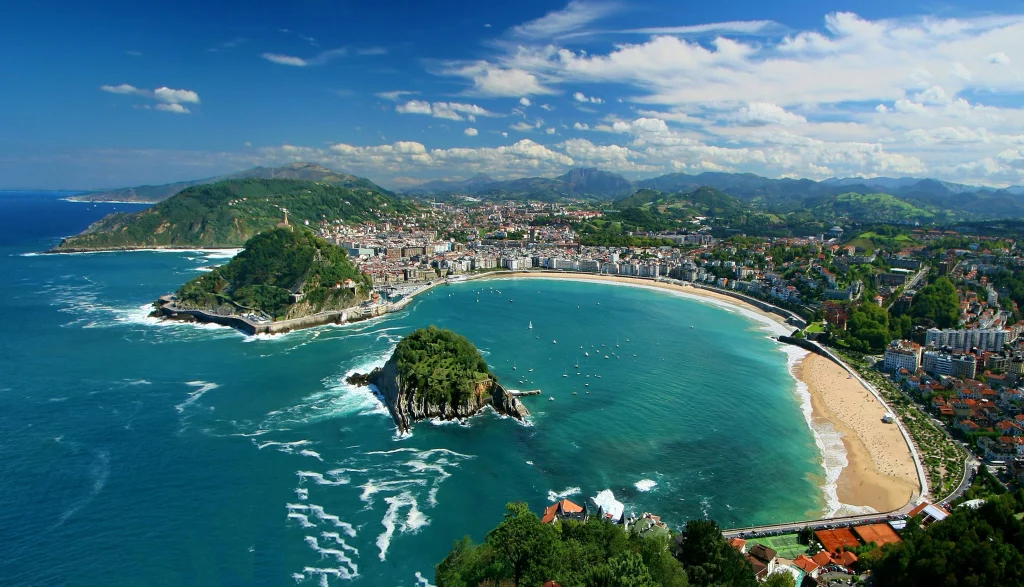
The city became a fashionable resort in the late 19th century, thanks to Queen Regent Maria Cristina, attracting aristocracy, artists, and high society. Today, it’s known for its Belle Époque architecture and one of the highest concentrations of Michelin-star restaurants in the world, making it a perfect stop for history, elegance, and gastronomy.
Highlights and Experiences:
- Pintxos in the Parte Vieja. Sample a variety of these small bites in the historic Old Town.
- Monte Igueldo & Funicular. Take the funicular up Monte Igueldo for panoramic views of the bay and city—a must for photographers and hikers alike.
- Monte Urgull – Hike to the top for stunning views of the coastline and the historic castle at the summit.
- Ondarreta Beach & Cristina Enea Park. Relax on Ondarreta Beach, or stroll through the nearby Cristina Enea Park, a beautiful green space.
- La Zurriola Beach. A hotspot for surfers, with a vibrant atmosphere and waves perfect for catching some action.
- The Wind Comb by Txillida. Admire this iconic modern sculpture along the promenade, a symbol of the city and its connection to the sea.
San Sebastián perfectly combines beach life, history, art, and world-class cuisine, making it an essential stop on any Basque Country itinerary.
4. Orio – Coastal Charm and Rowing Traditions
Orio is a small but spirited fishing village where rowing regattas are a treasured tradition. Stroll along the golden sands of Antilla Beach, explore the harbor, and don’t miss the town’s famous grilled sea bream, a true local specialty. Its lively maritime atmosphere makes it a perfect stop for an authentic Basque experience.
5. Getaria: Culinary Delights and Scenic Hikes
Getaria is a picturesque seaside town, birthplace of explorer Juan Sebastián Elcano and fashion designer Cristóbal Balenciaga. Besides, it is a paradise for food lovers. Its specialty is charcoal-grilled fish, especially turbot, perfectly paired with txakoli, the region’s crisp, lightly sparkling white wine.
For active travelers, the Mount San Antón route offers a scenic hike with panoramic views of the coast and harbor. Including the famous Mouse of Getaria (El Ratón de Getaria), a small rocky islet whose shape resembles a mouse when seen from the trail or the harbor. This hike combines nature, history, and breathtaking vistas for a memorable experience beyond the town’s culinary highlights.

6. Zumaia – Stunning Flysch Cliffs and Coastal Hikes
Zumaia is renowned for its dramatic Flysch cliffs, a geological wonder formed over millions of years. Walk the coastal trails or visit Itzurun Beach for unforgettable scenery.
Pop culture fans will be excited to know that Zumaia also served as a filming location for Game of Thrones, representing the dramatic shores of Dragonstone in Season 7. This adds a fun twist to your hike and sightseeing.
With its combination of natural beauty, history, and small-town charm, Zumaia is ideal for travelers who love hiking, photography, and exploring the Basque coast on foot.
7. Guernica: Symbol of Peace, Memory & Basque Identity
No Basque itinerary feels complete without a visit to Guernica (Gernika), a town deeply tied to Basque history and identity. Gernika is a town steeped in history and symbolism. Famous worldwide for the bombing during the Spanish Civil War in 1937, it inspired Pablo Picasso’s iconic painting “Guernica”, which immortalized the tragedy.
Today, Gernika is a place of reflection and resilience. Highlights include:
- See the Gernika Peace Museum, dedicated to the events surrounding the bombing of 1937.
- Visit the Tree of Gernika, an ancient oak symbolizing Basque liberties and democracy.
- Explore the lively Monday Market, celebrating local produce and rural traditions.
Visiting Gernika gives travelers a deeper understanding of Basque history, culture, and identity, making it a meaningful stop between the coastal towns and Bilbao.
8. Bilbao: From Industrial Past to Cultural Powerhouse
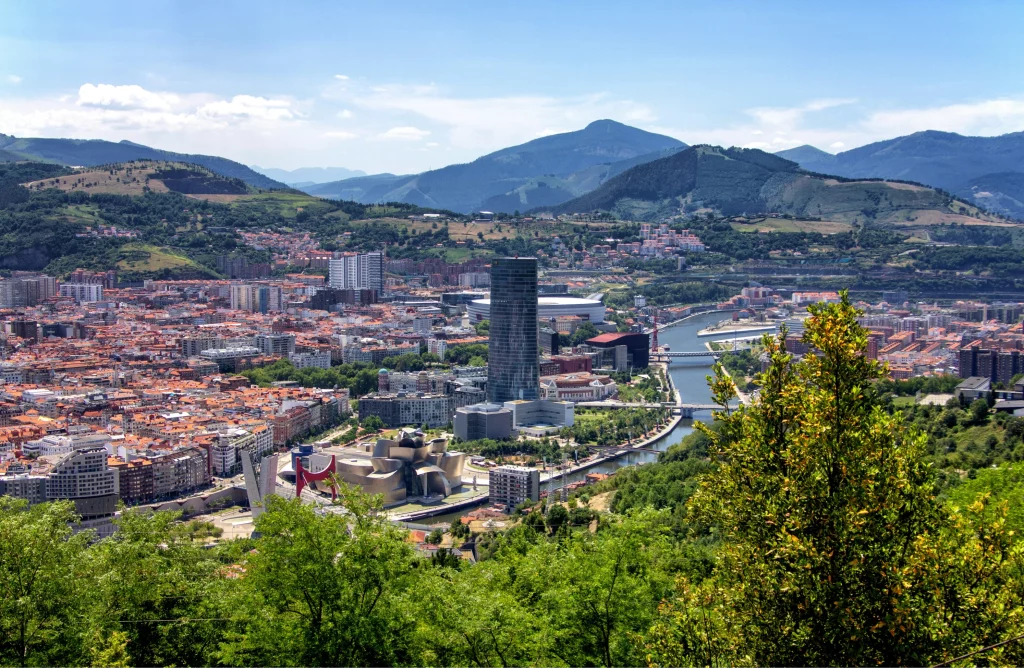
Bilbao, the largest city in the Basque Country, has transformed from an industrial port into a vibrant cultural and culinary destination. Here, history, modern architecture, and Basque traditions blend seamlessly.
Highlights include:
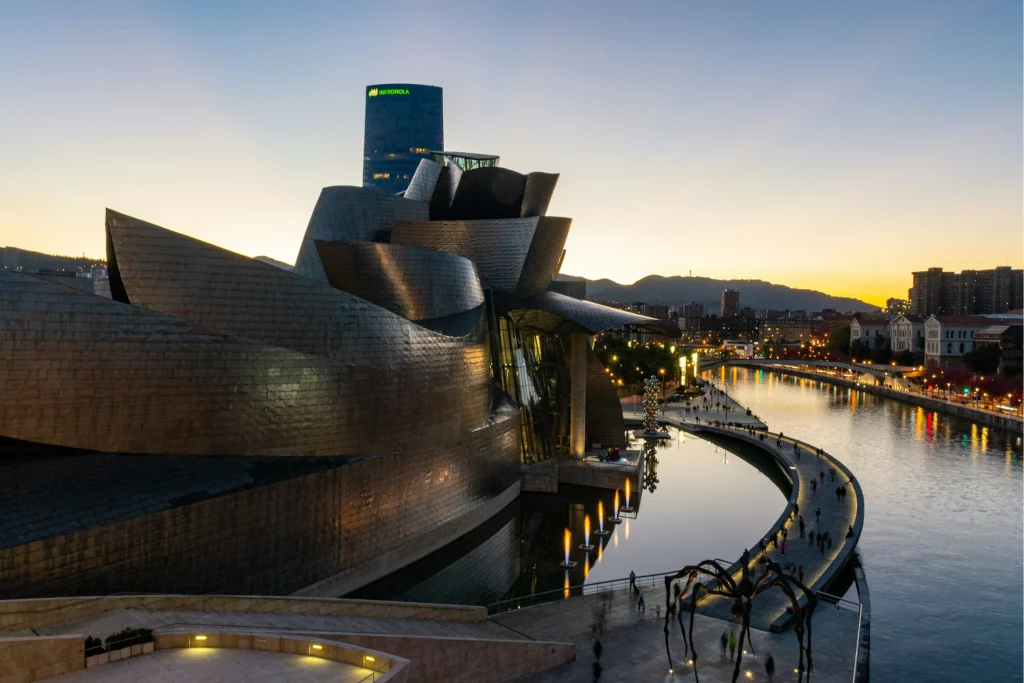
- Guggenheim Museum: The iconic titanium-clad building is a must-see for contemporary art lovers.
- Casco Viejo (Old Town), also called Las Siete Calles – These historic streets are named after the old trades and shops that once thrived here. For example, Carnicería Vieja was named after the city’s first slaughterhouse. Wander the narrow streets, lively plazas, and pintxo bars serving traditional Basque bites.
- Ría de Bilbao & the Puente Colgante (Portugalete Bridge) – Just outside Bilbao, you’ll find one of the most impressive engineering feats in Spain—the Vizcaya Bridge, also known as the Puente Colgante. A UNESCO World Heritage Site, this 19th-century transporter bridge still carries passengers and cars across the Nervión River using a suspended gondola.
- Mirador de Artxanda – For the best panoramic views of the city, take the cable car up to this viewpoint and enjoy breathtaking vistas of Bilbao, the river, and the surrounding mountains.
- Sports & Football – If you’re a sports fan, Bilbao is the place to be! The city lives and breathes Athletic Club Bilbao, and match days feel like a huge local celebration. Most fans gather along Licenciado Pozas Street, making it the perfect spot to soak up the energy and experience the city like a local.
- Modern architecture & urban spaces – From the Zubizuri footbridge to the revitalized Abandoibarra district, Bilbao offers plenty of spots for design and architecture enthusiasts.
No Basque adventure is complete without Bilbao. Once an industrial port city, today it’s a hub of art, architecture, and gastronomy.
Savoring Basque Culture, Food & Txakoli Wine
In the Basque Country, food isn’t just about eating—it’s a way of life, a social ritual, and almost a religion. Sharing a meal with family and friends is a deeply ingrained part of the culture, and every pintxo, every glass of txakoli, and every culinary tradition carries a story.
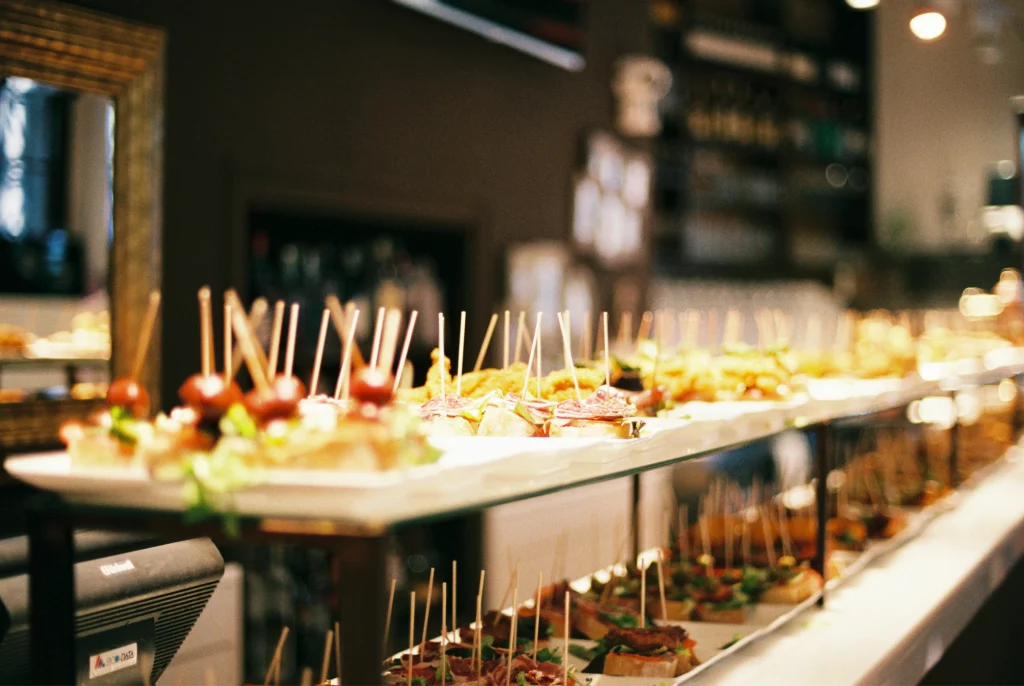
- Pintxos & Pinxopote
Sampling pintxos—small, creative bites typically enjoyed at bars—is a must. But for locals, it’s more than just a snack: it’s a social experience. In cities like Bilbao, Pinxopote is a weekly tradition, usually on Thursdays, where friends hop from bar to bar, enjoying pintxos and drinks, laughing, and catching up. It’s the perfect way to immerse yourself in Basque culture while tasting a variety of flavors.
- Basque Classics
Beyond pintxos, try regional specialties such as bacalao al pil-pil (cod in garlic sauce), marmitako (a hearty tuna and potato stew), and txangurro (stuffed spider crab). Each dish reflects the region’s coastal heritage, fresh ingredients, and centuries-old culinary traditions.
- Txakoli & Local Drinks
Pair your meals with txakoli, the Basque Country’s signature white wine. Light, crisp, and lightly sparkling, it’s perfect with seafood and pintxos alike. For those who enjoy craft beers or cider, the region also offers a rich selection of local brews to complement your culinary journey.
Eating in the Basque Country is always about connection, community, and joy, so much so that they have Txokos. These Txokos, derived from the Basque word for “corner” or “small place”, are private gastronomic societies, unique social clubs where friends gather to cook, eat, drink, and enjoy each other’s company. More than just dining spaces, they are a cornerstone of Basque identity and an essential part of the region’s social life.
Transportation & Distances: Getting Around the Basque Country
One of the great advantages of traveling through the Basque Country is its excellent network of trains, buses, and well-maintained roads.
Bilbao → San Sebastián
- By Bus (recommended): About 1 hour 15 min to 1 hour 30 min, frequent daily departures. (Buy your tickets here)
- By Train: About 2 hours 20 min with Euskotren, scenic but slower.
Bilbao → Getaria / Zumaia / Zarautz (coastal towns)
- Best by bus or car. Driving takes 45–60 minutes, depending on the town.
San Sebastián → Hondarribia
- Bus: About 30 minutes with frequent service.
- Perfect as a half-day or full-day trip.
Bilbao → Guernica
- Train: About 60 minutes, very convenient.
- Car: Around 40 minutes.
Bilbao → Portugalete (Puente Colgante)
- Metro Line 2 stops just steps from the bridge, only 20 minutes from Bilbao city center.
These short distances make it easy to combine city exploring with coastal adventures.
Things to Know Before Visiting the Basque Country
Before you start exploring, here are a few tips from locals to help you enjoy the Basque Country like a pro:
- Respect the Basque Identity
While the Basque Country is part of Spain, locals are very proud of their unique culture and language (Euskara). A fun tip: greet locals with “kaixo” (hello) and say “agur” (goodbye) when leaving. Even a small attempt at Euskara is noticed and warmly received.
- Dining & Daily Rhythm
Lunch is usually the main meal (1–3 pm), and dinner comes later than in the U.S., around 8–9 pm.
When visiting bars, try several pintxos instead of expecting a full meal at once. It’s the best way to taste a variety of flavors and experience local dining culture.
- Weather & Packing
The Basque coast has a mild, oceanic climate, with rain possible even in summer. Bring comfortable walking shoes, layers, and a light rain jacket so you’re ready for any weather.
- Local Etiquette & Customs
Basques are passionate about their traditions—from festivals and rural sports to culinary rituals. A little curiosity and respect go a long way.
Tipping is modest—rounding up or leaving 5–10% in restaurants is enough.
Walking the Basque Country: The Camino del Norte
If you love exploring on foot, walking Basque Country along the Camino del Norte is the perfect way to experience its coastline, culture, and natural beauty. This scenic trail links many of the places mentioned earlier in this blog.
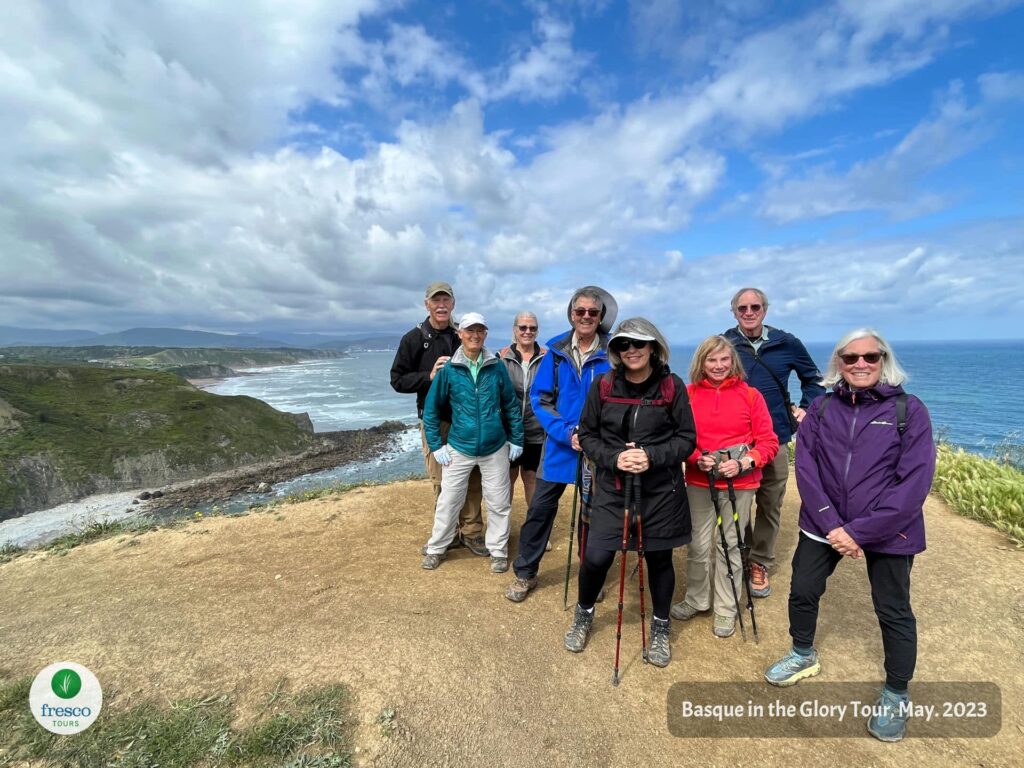
For active travelers and hikers, these routes offer:
- Dramatic coastal panoramas
- Well-marked trails with varied terrain
- Charming fishing towns to explore along the way
- A rewarding blend of nature, culture, and movement
If you want to enjoy the best stretches of the Camino del Norte without worrying about logistics, check out our Basque in the Glory Tour. It includes expertly curated walking and hiking routes through the region’s most spectacular landscapes.
Start planning your trip
The Basque Country isn’t just a place you visit, it’s a rhythm you fall into. From the salty breeze of Hondarribia’s harbor to the avant-garde curves of Bilbao’s Guggenheim, every stop hums with stories waiting to be tasted, walked, and lived. Let the clink of glasses filled with txakoli mark your afternoons, and the scent of the sea guide your steps along the Camino del Norte. Come curious, leave transformed, the Basque Country doesn’t just welcome you, it stays with you.