Whether you’re a regular hiker or someone who’s never worn a pair of trekking boots, one common question arises: How fit do you have to be to walk the Camino de Santiago?
The short answer is—almost anyone can walk the Camino with the right mindset, preparation, and realistic expectations. You don’t need to be an athlete to walk the Camino. The journey is more about endurance than speed or athleticism. If you can walk comfortably for a couple of hours and gradually build up your stamina over time, you’re already on the right path. Many people with desk jobs or sedentary lifestyles have successfully completed the Camino after just a few months of steady preparation.
That said, the Camino can be physically demanding at times, especially in mountainous areas or during the hot summer months. While there’s no official fitness requirement, being able to walk 10 kilometers a day and recover well by the next morning is a strong sign that you’re ready. From there, it’s just a matter of progressing slowly and consistently.
Also, keep in mind that mental preparation matters just as much as physical training. Even the fittest walkers can struggle if they don’t manage their expectations, listen to their bodies, or allow time for rest and recovery. The Camino tests your physical limits—but it also rewards your patience, flexibility, and inner resolve. However, understanding what the journey involves is essential for setting yourself up for success.
What Does Walking the Camino Involve?
Walking the Camino isn’t a one-time sprint—it’s a multi-day or multi-week commitment. Most pilgrims walk between 20 and 25 kilometers per day, often over varied terrain. The most well-known path, the Camino Francés, covers nearly 780 kilometers from the French Pyrenees to Santiago de Compostela. There are other routes, like the Camino Portugués, the Camino Inglés, and the Camino Primitivo, each with different lengths and physical challenges.
Though this might sound intimidating at first, the Camino is not a race. It’s a personal journey. You set your own pace. Many people of varying ages, sizes, and fitness levels have completed it—some even in their 70s and 80s.
Do I Have to Carry a Heavy Backpack?
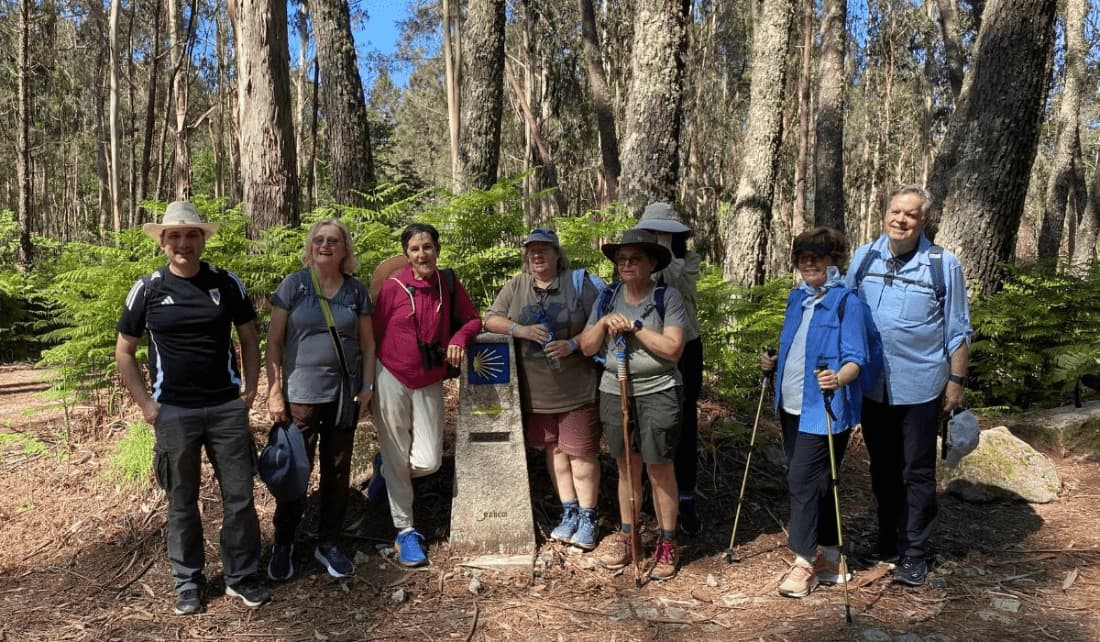
This is a common concern for first-time pilgrims. While some carry their belongings on their backs for the full journey, others choose to use luggage transfer services, which transport your bag to your next accommodation each day. This option lightens the physical load considerably and is widely available on the more popular routes like the Camino Francés and the Camino Portugués.
With only a small daypack, many walkers find the Camino more enjoyable and far less strenuous, especially if they’re concerned about fitness or injuries.
What About Age?
Many people believe they’re “too old” for the Camino—but age is truly just a number on this journey. Countless pilgrims in their 60s, 70s, and even 80s have completed the walk, often with fewer injuries and complaints than younger hikers.
Seniors often approach the Camino with a better sense of pacing, know when to rest, and make smart decisions regarding accommodation and route choice. Their experience and wisdom serve them well on a path that’s more about consistency and mindset than brute strength.
The key for seniors is preparation—physically, mentally, and logistically. Choosing flatter, better-supported routes like the Camino Portugués Coastal Route can help ease the physical burden. Using luggage transport, staying in private rooms, and taking extra rest days can make the experience both enjoyable and sustainable.
If you’re considering walking the Camino de Santiago later in life, you’ll find that age is not a limitation—but rather an opportunity to experience the journey more mindfully. To help you plan your adventure with confidence, read our in-depth article on Camino de Santiago tours for seniors and start preparing for your unforgettable pilgrimage today.
What About Health Conditions or Injuries?
If you have health concerns, speak with your doctor before committing. Many pilgrims have walked with diabetes, heart conditions, arthritis, and other chronic illnesses—often with their doctor’s support and a carefully managed plan. The key is knowing your limitations, pacing yourself, and being aware of what your body is telling you.
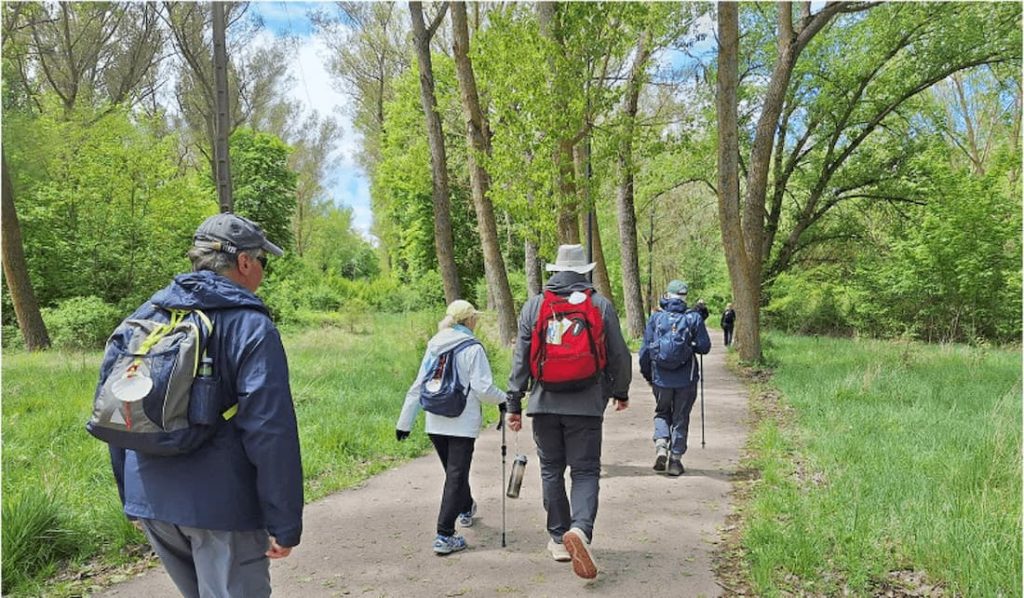
If past injuries or joint pain concern you, using walking poles can help reduce strain on knees and ankles. Additionally, many parts of the Camino are well-connected to roads and towns, meaning you can stop, rest, or seek help if needed.
How to train for walking the Camino?
Training for the Camino doesn’t need to be overly intense. Walking is the best way to prepare. Whether you’re planning to walk a few stages or complete the entire route, building up your endurance gradually will help you enjoy the experience and reduce the risk of injury. Below are some key steps to help you get physically ready for your Camino adventure:
- Start Walking Regularly
Incorporate regular walks into your weekly routine, begin walking 3 to 5 times per week. Start with short distances and slowly increasing your mileage over time. - Train with a Backpack
Practice walking with a daypack to get used to the weight you’ll carry. - Wear Your Camino Shoes
Break in the shoes or boots you’ll be using—never start the Camino with brand-new footwear. - Strengthen Key Muscle Groups
Do exercises that target your legs, core, and lower back—like squats, lunges, and planks. - Simulate the Camino terrain
It’s also important to train in conditions similar to those on the Camino—walk on trails, hills, and even some paved roads. - Do a Long Walk Weekly
Aim for at least one long walk (10–20 km) each week to build endurance. - Practice Consecutive Walking Days
Try walking multiple days in a row to mimic Camino conditions and recover from fatigue. - Stretch and Focus on Flexibility
Incorporate daily stretching or yoga to improve flexibility and reduce injury risk. - Listen to Your Body
Rest if you feel pain, and allow time for recovery in your training schedule. - Visit a Doctor (Especially if Over 50)
Get medical clearance to ensure you’re ready for long-distance walking. - Consult a Physical Therapist (Optional)
If you have previous injuries or chronic pain, get a customized training plan.
How do I prepare my mind for the Camino?
Mental preparation for the Camino is deeply personal—and for many pilgrims, it’s not something they plan in advance. Some simply trust the journey and start walking, discovering that the Camino itself gradually brings clarity, peace, and emotional strength over time. Others focus on removing mental stress before departure: organizing finances, resolving responsibilities at home, and ensuring they won’t have to worry about external obligations while walking.
Many experienced pilgrims agree that you don’t have to do any formal mental training—but staying open-minded, flexible, and kind to yourself makes a world of difference. For some, the solitude of the trail brings reflection; for others, the rhythm of daily walking becomes a kind of moving meditation. One pilgrim humorously shared that after weeks of walking alone, they found themselves talking to their knees!
Ultimately, believing in yourself and letting go of expectations may be the best mental preparation of all. The Camino has a way of strengthening your mind as you go—step by step.
Conclusion: Yes, You Can Walk the Camino
Walking the Camino de Santiago isn’t about being the fittest person on the trail—it’s about being prepared, staying consistent, and embracing the journey with an open heart and mind. Whether you’re in your 30s or your 70s, active or just starting out, the Camino welcomes you as you are. With the right physical training, mental mindset, and a few smart choices along the way—like using luggage transfer or choosing a gentler route of the Camino—you can make your pilgrimage both achievable and meaningful.
So lace up your walking shoes, take it one step at a time, and trust that the Camino will meet you right where you are. Ready to get started? Check out our Camino de Santiago tours and begin planning your unforgettable adventure today.