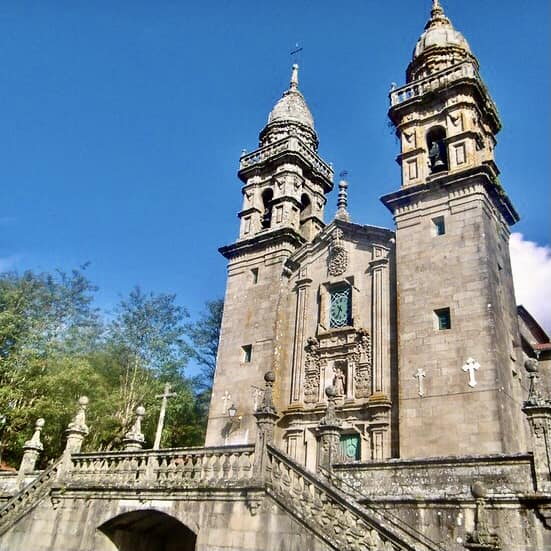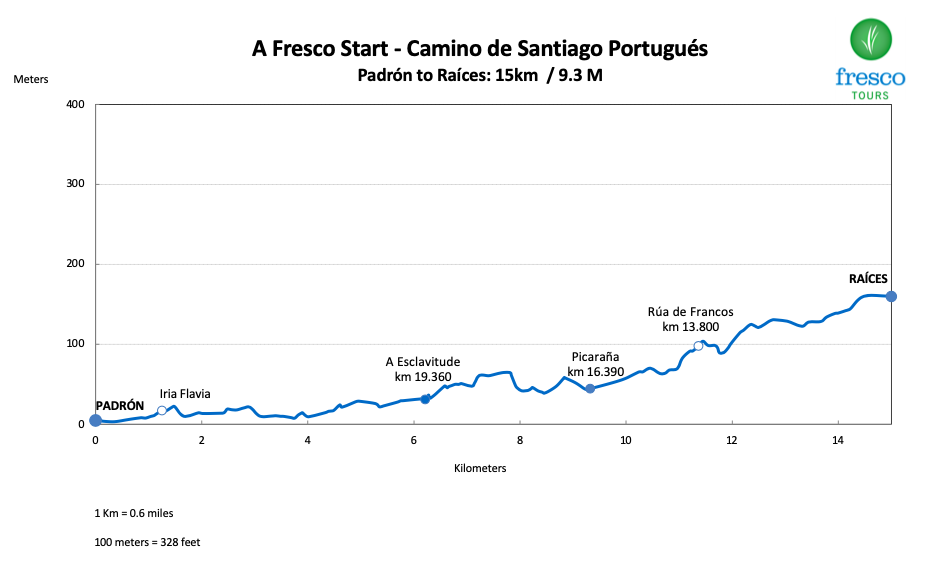
Today the Camino takes us through a succession of villages that gradually grow in size as we approach Santiago de Compostela and the end of our pilgrimage. Perhaps the two that stand out are the legendary Iria Flavia and the imposing 19th-century Church of Esclavitude.
Iria Flavia has been around since Roman times, and this was the town where Santiago started his mission in Roman Hispania. This was also the seat of Bishop Teodomiro, who played an active role in the discovery of Santiago’s tomb in 813. Indeed, Iria Flavia was the centre of the Catholic Church in Galicia until the rise to stardom of Santiago de Compostela in the 9th century.
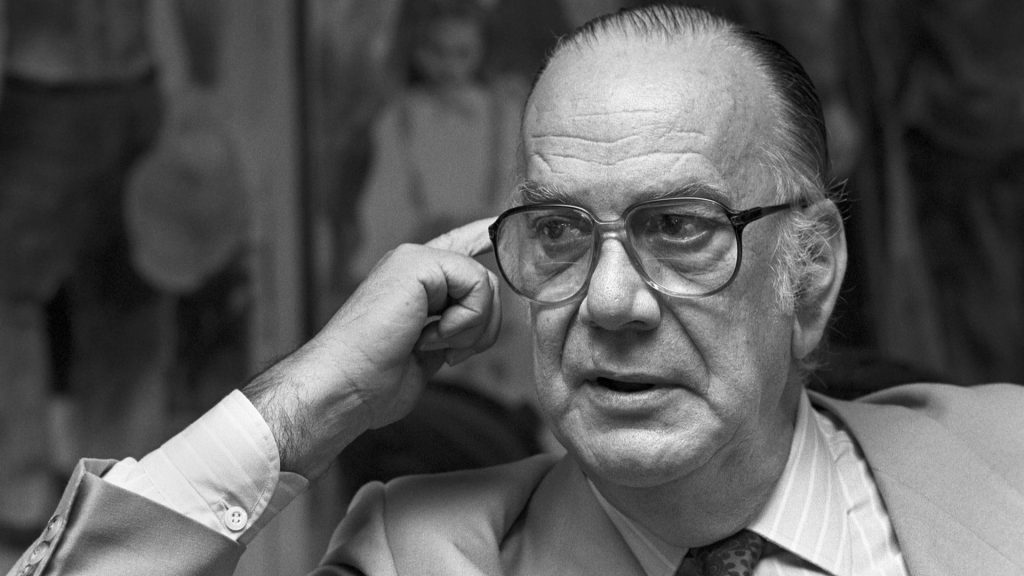
Camilo José Cela, the 1989 Nobel Laureate in Literature, was born in Iria Flavia (Padrón) in 1916 and died in 2002. Cela was both a controversial figure in Spain and a much-admired writer. There is a monument to him in Padrón.
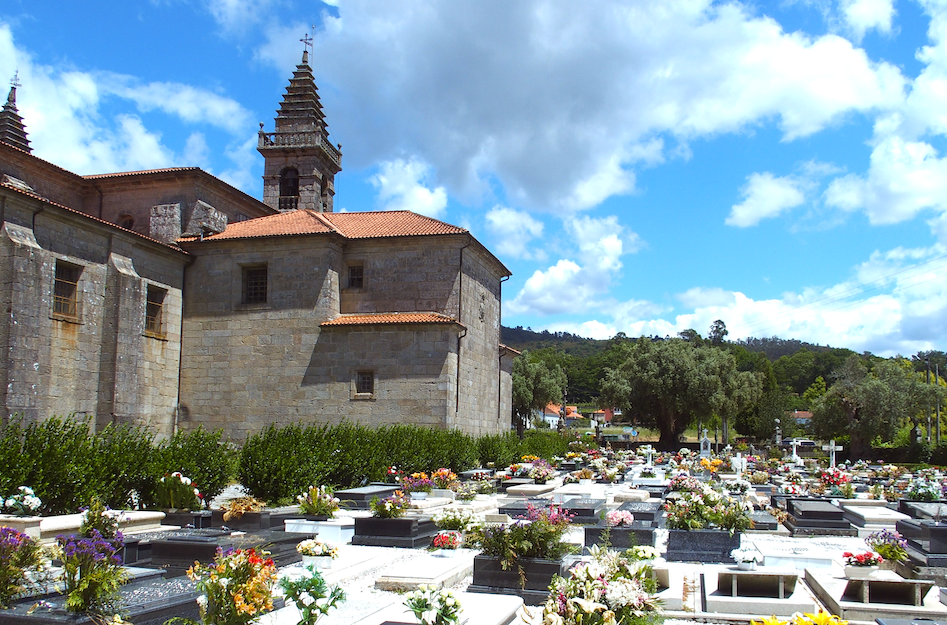
The story behind Esclavitude (in English, literally slavery) is a bit more engaging than the town and church themselves. Apparently a very sick pilgrim in the 18th century prayed to the Virgin Mary to cure his sickness and drank from the fountain that is still there in front of the church. The Virgin Mary interceded and he was cured. In gratitude, the pilgrim donated all his worldly possessions to build a sanctuary to the Virgin Mary (smaller one than the one standing now), as she had saved him from the slavery of his illness. His literal words were: “¡Gracias, Virxe, que me libraches da escravitude do meu mal!” (Thank you, Virgin, for freeing me from the slavery of my illness!).